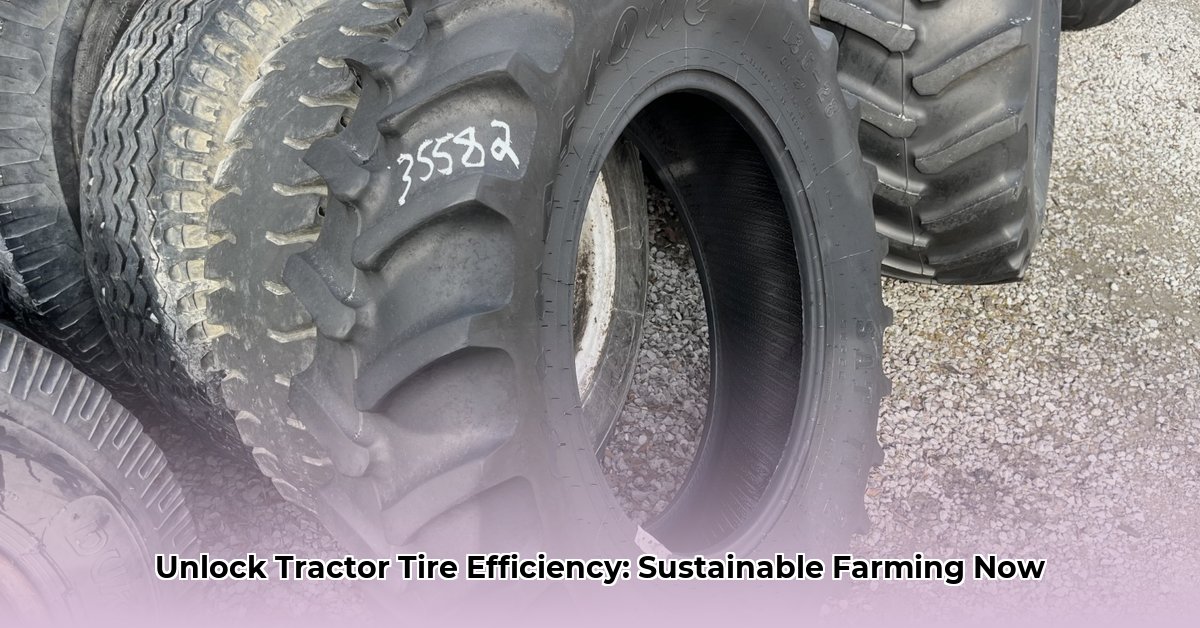
13x6x28 Tractor Tires: A Sustainable Farming Solution
Sustainable agriculture demands efficiency at every level. Even seemingly minor components, like tractor tires, significantly impact fuel consumption, soil health, and overall farm profitability. This article focuses on the 13x6x28 tractor tire, a common size ideal for smaller tractors and implements, and explores how optimizing its use contributes to a greener, more profitable farming operation. Don't underestimate the power of the right tire; it's a foundational element of sustainable practice. What are the most significant advantages of upgrading to sustainable tires? For information on tires for a 16-inch rim, check out this helpful resource: 16-inch tire options.
Understanding Your 13x6x28 Tractor Tires: Size and Sustainability
The dimensions 13x6x28 denote a tire 13 inches wide, mounted on a 6-inch rim, with a total diameter of 28 inches. While the size is important, focusing solely on dimensions overlooks the crucial role these tires play in sustainability. A truly “sustainable” tire minimizes fuel consumption, protects soil structure, and reduces the farm's environmental footprint. How can we achieve these goals with our 13x6x28 tires?
Soil Health: Minimizing Compaction with Proper Inflation
Soil compaction is detrimental, hindering water infiltration and root growth. Tire pressure is the key factor. Insufficient inflation increases compaction, while excessive inflation, surprisingly, can also worsen compaction in certain soil types. Finding the optimal pressure for your 13x6x28 tires is crucial. Always consult your tire manufacturer's recommendations and consider soil testing for optimal inflation levels. "Proper tire pressure is a cornerstone of sustainable practices," explains Dr. Emily Carter, Agricultural Engineer at the University of California, Davis.
Fuel Efficiency: Lower Costs and Reduced Emissions
Fuel costs significantly impact farm profitability. Correctly inflated 13x6x28 tires reduce rolling resistance, translating directly to improved fuel economy. This means lower fuel bills and a reduced carbon footprint. "Even small improvements in fuel efficiency can accumulate to substantial savings over time," remarks John Miller, Farm Management Consultant, at Miller Agri-Solutions. How much can fuel savings impact your bottom line?
Tread Patterns: Optimizing Performance for Different Conditions
Various tread patterns cater to different soil types and farming operations. Deep, aggressive treads provide superior grip in muddy conditions, whereas smoother patterns minimize soil disturbance, ideal for lighter tasks or sensitive soil structures. Assessing your typical farming conditions—soil type, common tasks—is crucial for selecting the appropriate tread pattern for your 13x6x28 tires. What tread pattern best suits your specific needs?
Long-Term Investment: Sustainability and Profitability
Investing in high-quality, sustainable tires might appear expensive initially. However, long-term benefits – lower fuel bills, healthier soil leading to higher yields, and extended tire lifespan – far outweigh the initial cost. It's a smart investment in both profitability and environmental responsibility. Does the ROI on sustainable tires justify the initial expenditure?
Tire Maintenance: Simple Steps for Extended Lifespan
Regular tire maintenance is vital. Inspect tires for cuts, punctures, or uneven wear. Consistent, proper inflation is paramount. Tire rotation ensures even wear across all tires. These simple steps prolong tire life, cutting waste and maximizing return on investment. What is the approximate lifespan increase with consistent maintenance?
Future Innovations: Sustainable Tire Technology
Tire technology constantly evolves. Manufacturers are developing more fuel-efficient, longer-lasting tires with a smaller environmental footprint. We can anticipate tires from recycled materials and smart tires with sensors monitoring tire condition, providing alerts for potential issues. This represents exciting potential for sustainable farming practices. What are the key developments in sustainable tire technology to watch for?
Actionable Steps for Sustainable Tire Management
Implementing sustainable tire practices involves a series of actionable steps:
- Assess Your Needs: Analyze your soil type, typical tasks, and working conditions.
- Choose Wisely: Select tires balancing performance and sustainability, considering tread design and materials.
- Maintain Regularly: Inspect, inflate (correctly!), and rotate your tires consistently.
- Monitor Progress: Track fuel consumption and soil compaction to fine-tune your approach.
- Stay Informed: Keep abreast of advancements in sustainable tire technology and farming practices.
By following these steps, you'll significantly enhance the efficiency and sustainability of your 13x6x28 tractor tires, boosting both your farm's profitability and its environmental stewardship. Remember, sustainable practices are an investment in the future of farming.